Prepare an interview without writing every answer
An interview works best when preparation creates room for listening. A tightly scripted list can keep a recording on schedule, but it can also hide the most interesting thread beneath the question you planned to ask next.
Find the conversation’s centre
Write a short statement of what the listener should understand by the end. Research the guest’s work through reliable material and separate confirmed facts from assumptions. Prepare a few open questions around the central topic. The purpose is to arrive informed enough to notice a useful surprise, not to demonstrate everything you found.
Agree the boundaries beforehand
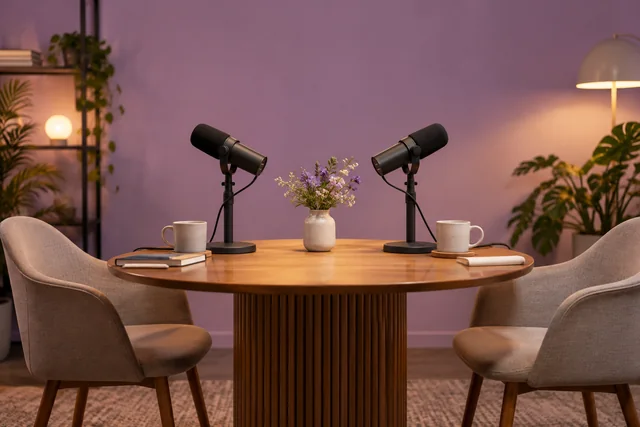
Explain the format, approximate duration, recording process and intended publication. Ask about subjects that require care and make consent clear. Check the name and pronunciation the guest prefers. Practical preparation, including a sound check and a quiet recording space, helps the conversation begin without avoidable friction.
Follow the answer you hear
Keep your outline visible but do not let it replace attention. Ask for an example when a point feels abstract, and allow a pause before moving on. Mark a question to return to instead of interrupting every promising digression. Keep a final question in reserve for anything the guest hoped to discuss. That invitation can reveal a missing angle and help the conversation close with a sense of completion rather than an abrupt stop.