The edit that makes a conversation easier to follow
Editing a conversation is a matter of understanding as well as pace. The aim is to help the listener follow the exchange while preserving what the speakers meant, including uncertainty and disagreement where they matter.
Listen before cutting
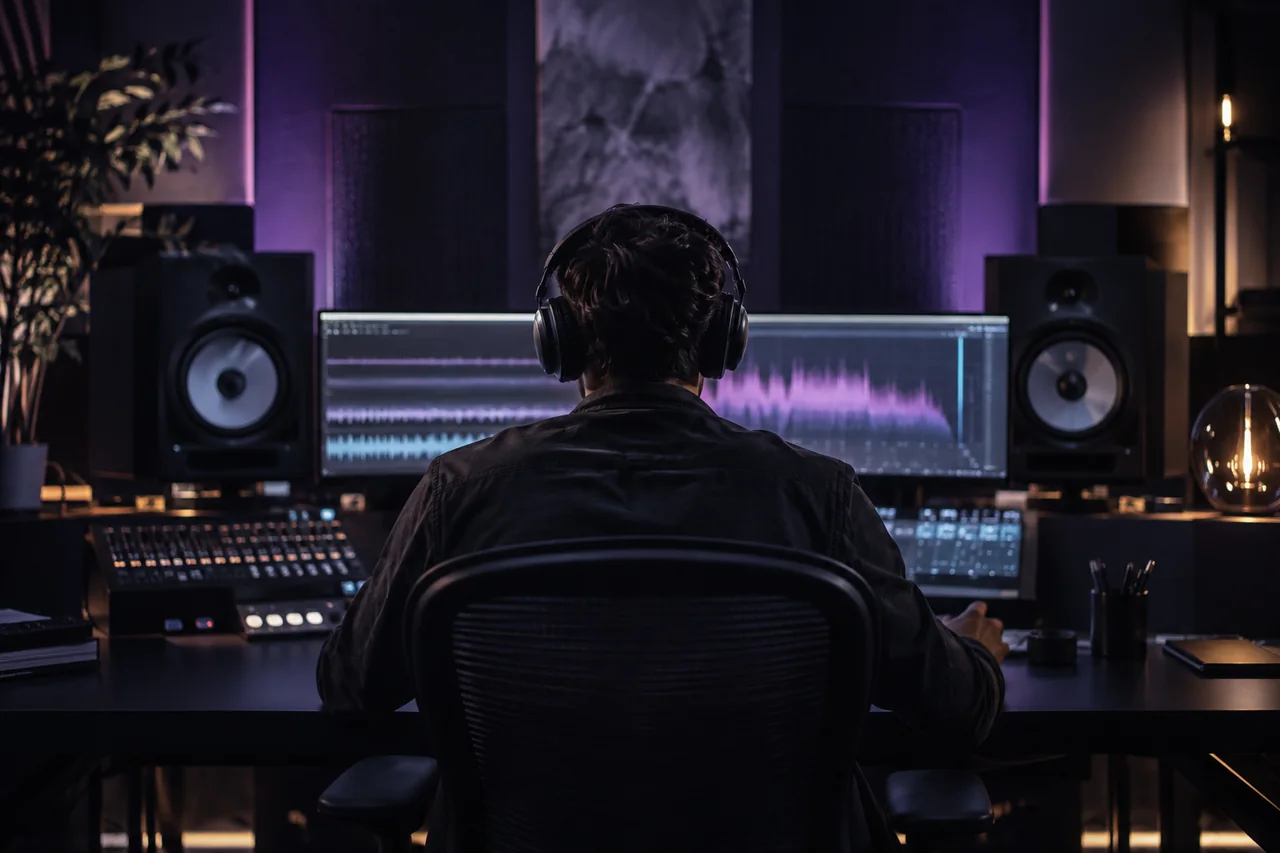
Make a rough map of the recording: opening, central questions, examples and ending. Note technical issues separately from editorial choices. A long pause may be removable, while a hesitation may explain how carefully someone is thinking. Avoid applying the same treatment to every silence simply because the waveform looks empty.
Protect the meaning
Check that moving or shortening an answer does not create a claim the speaker did not make. Keep necessary context around sensitive or complex subjects. If a factual statement needs verification, record the question rather than quietly rewriting it through an edit. The finished episode should remain recognisably the conversation that was recorded.
Review as a listener
Play the edit without watching the timeline. Can you follow who is speaking and why the subject has changed? Check the introduction, credits and any permissions for music or other material. Listen on more than one suitable device before publishing. A clean edit should make the production less noticeable while leaving the people and their ideas intact.